
ELEPHANT
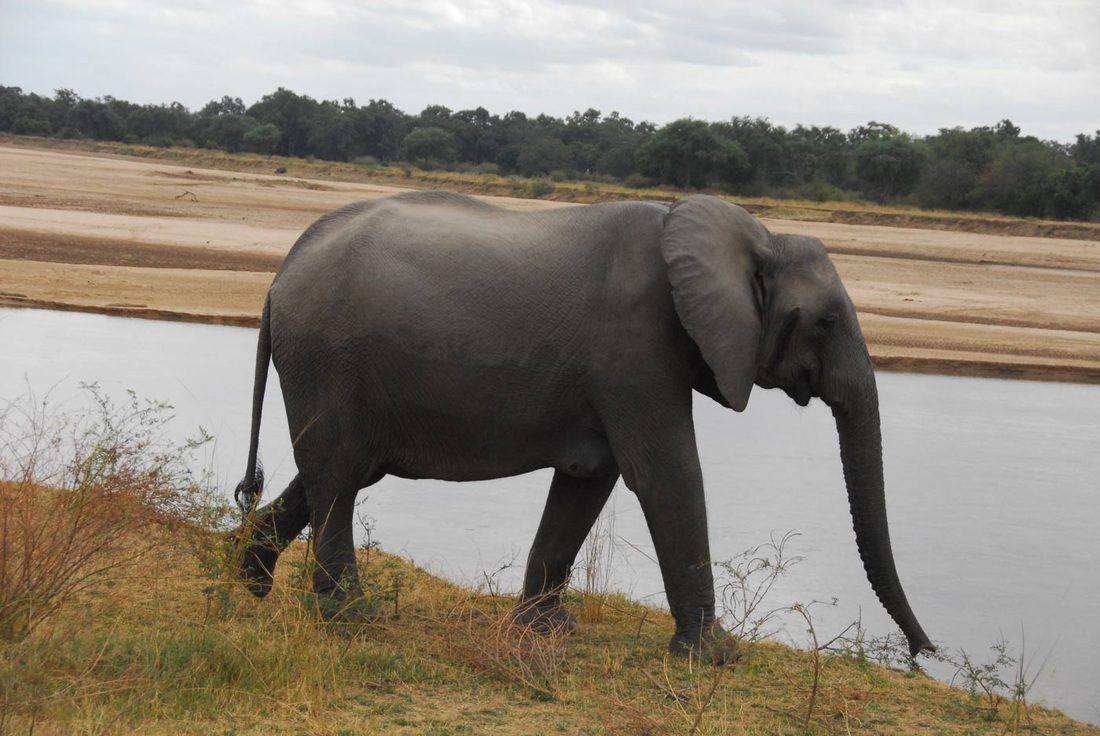
Courtesy of Zikomo Safari
Once known as the Valley of the Elephants, South Luangwa Valley in Eastern Zambia was, at one-time, home to an elephant population considered among the largest in Africa. Sadly, by the 1970’s, the elephant population was tragically depopulated. Animals were massacred in unprecedented numbers. Ninety percent of the population was slaughtered for contraband--ivory. The Zambian elephant population had rebounded to some degree as a direct result of the international ivory band, which was essentially rendered effective in 1989 with the listing of elephants on Appendix I of the Convention on the International Trade in Endangered Species (CITES).
But elephants in Zambia and other range states now face another potential and catastrophic decline as a result of the recent and partial lifting of the ivory ban by international authorities, which has prompted a renewed interest in sophisticated poaching with illegal trade ongoing globally. The slaughter of elephants not only leads to a conservation crisis, it devastates the herd dynamics of these social and sentient creatures, and it often leaves many orphans in need of lifelong care, if they can be rehabilitated.
Indeed, elephant numbers in the region have recovered to some degree following the decades of their decimation, as a consequence of hunting and poaching for ivory. A changing sociopolitical landscape in conjunction with improved wildlife management tactics permitted resurgence in the elephant population. Unfortunately, economic growth in the region, as result of ecotourism and nonedible agricultural commodities, has contributed to the emergence of more sophisticated poaching activities administered by wildlife crime syndicates, as opposed to more loosely organized illegal hunting, which was perpetrated by locals.
The elephant population may never again attain the densities of 40 years ago, but there is hope that sustainable management practices and combating the growing and illegal billion-dollar industry may help safeguard these magnificent animals from extinction.
While the ecotourism boom brought about unprecedented wealth to Eastern Zambia, besides poaching, it also encouraged other anthropogenic stressors encroachment of elephant habitat, and perhaps more devastating anthropogenic stressors such as habitat loss, placing further pressure on the population of the these sentient and intelligent mammals -- the largest terrestrial animals on Earth. This in conjunction with poaching for bush meat by hungry rural residents in the region leaves the future of elephant populations in Zambia uncertain.
But elephants in Zambia and other range states now face another potential and catastrophic decline as a result of the recent and partial lifting of the ivory ban by international authorities, which has prompted a renewed interest in sophisticated poaching with illegal trade ongoing globally. The slaughter of elephants not only leads to a conservation crisis, it devastates the herd dynamics of these social and sentient creatures, and it often leaves many orphans in need of lifelong care, if they can be rehabilitated.
Indeed, elephant numbers in the region have recovered to some degree following the decades of their decimation, as a consequence of hunting and poaching for ivory. A changing sociopolitical landscape in conjunction with improved wildlife management tactics permitted resurgence in the elephant population. Unfortunately, economic growth in the region, as result of ecotourism and nonedible agricultural commodities, has contributed to the emergence of more sophisticated poaching activities administered by wildlife crime syndicates, as opposed to more loosely organized illegal hunting, which was perpetrated by locals.
The elephant population may never again attain the densities of 40 years ago, but there is hope that sustainable management practices and combating the growing and illegal billion-dollar industry may help safeguard these magnificent animals from extinction.
While the ecotourism boom brought about unprecedented wealth to Eastern Zambia, besides poaching, it also encouraged other anthropogenic stressors encroachment of elephant habitat, and perhaps more devastating anthropogenic stressors such as habitat loss, placing further pressure on the population of the these sentient and intelligent mammals -- the largest terrestrial animals on Earth. This in conjunction with poaching for bush meat by hungry rural residents in the region leaves the future of elephant populations in Zambia uncertain.